
Part1: Misunderstood target: the entanglement of sexual desire and appetite of PT141
Sexual desire peptide: Pt141
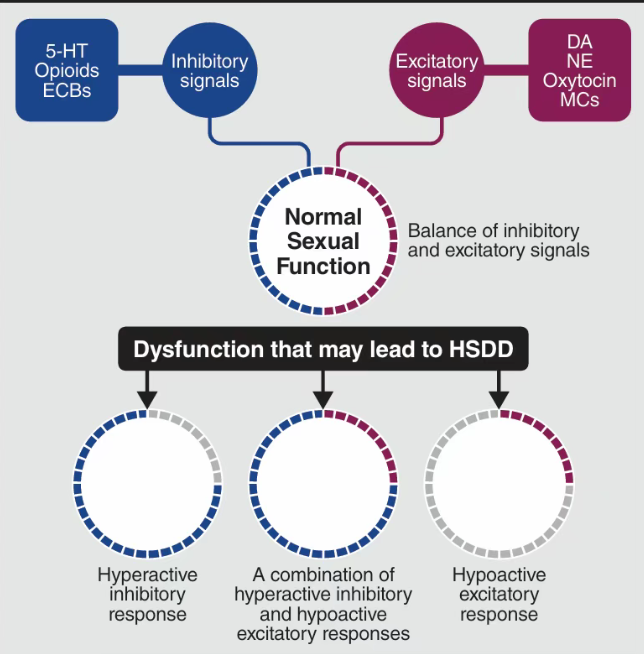
In 2023, when the global weight loss drug market was ignited by GLP-1 drugs, an old drug Sexual desire peptide PT141 once known as “female Viagra” called Bremelantide (Vyleesi) was quietly undergoing a “scientific transformation”. This drug, developed by American biotechnology company Palatin, has been almost forgotten due to poor market performance since it was approved by the US FDA on June 21, 2019 for the treatment of acquired, generalized hyposexual disorder (HSDD) in premenopausal women. However, as clinical research shifted towards obesity indications, people suddenly realized that the hidden melanocortin 4 receptor (MC4R) target behind it may be the key to unlocking the mysteries of metabolic disease treatment.
PT141: Make women feel an increase in sexual desire within 45 minutes
The story of Sexual desire peptide PT141 begins with human exploration of desire, but unexpectedly opens the door to metabolic regulation. In 2019, when it entered the market as “Pink Viagra”, the medical community focused on the blood flow enhancement effect brought by its activation of MC4R. Bremelantide is a synthetic peptide analogue of the neuropeptide hormone alpha melanocyte stimulating hormone (alpha MSH), which has a high affinity for the melanocortin type 4 receptor (considered important for sexual function). Subcutaneous injection can increase women’s libido within 45 minutes, but it has a high incidence of 62% facial flushing and 40% nausea, making most patients hesitant. In four years, its global sales have never exceeded one million US dollars, and its parent company Palatin’s market value once fell below 50 million US dollars, on the brink of delisting.
Transforming from a catalyst for sexual desire to a metabolic regulator
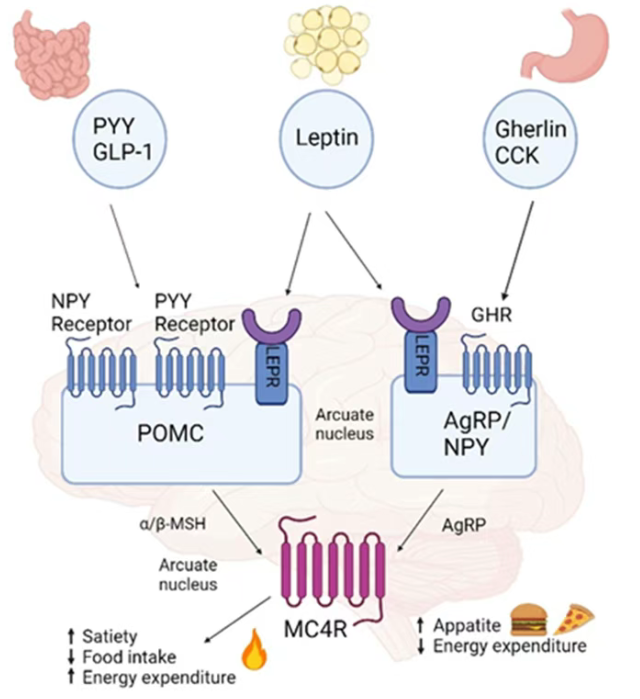
The turning point occurred when scientists re examined the biological nature of MC4R. This G protein coupled receptor distributed in the hypothalamus is actually the “central processor” of energy metabolism. when activated, it not only regulates sexual behavior related neural pathways, but also synchronously initiates two major survival programs. Turning off hunger signals and turning on fat burning engines. Animal experiments have shown that mice with sustained activation of MC4R experience a 30% weight loss within two weeks and preferentially consume visceral fat; Research in human genetics has found that individuals carrying MC4R functional enhancement mutations have a reduced risk of obesity by over 50%. This “one stone, two birds” mechanism makes it possible for Bremelanotide to transform from a sexual desire catalyst to a metabolic regulator.